Two hundred calories of soda and two hundred calories of lentils do very different things in your body. The difference is nutrient density — how much nutrition a food delivers per calorie — and it’s the single most useful lens for judging what to eat.
What “nutrient-dense” actually means
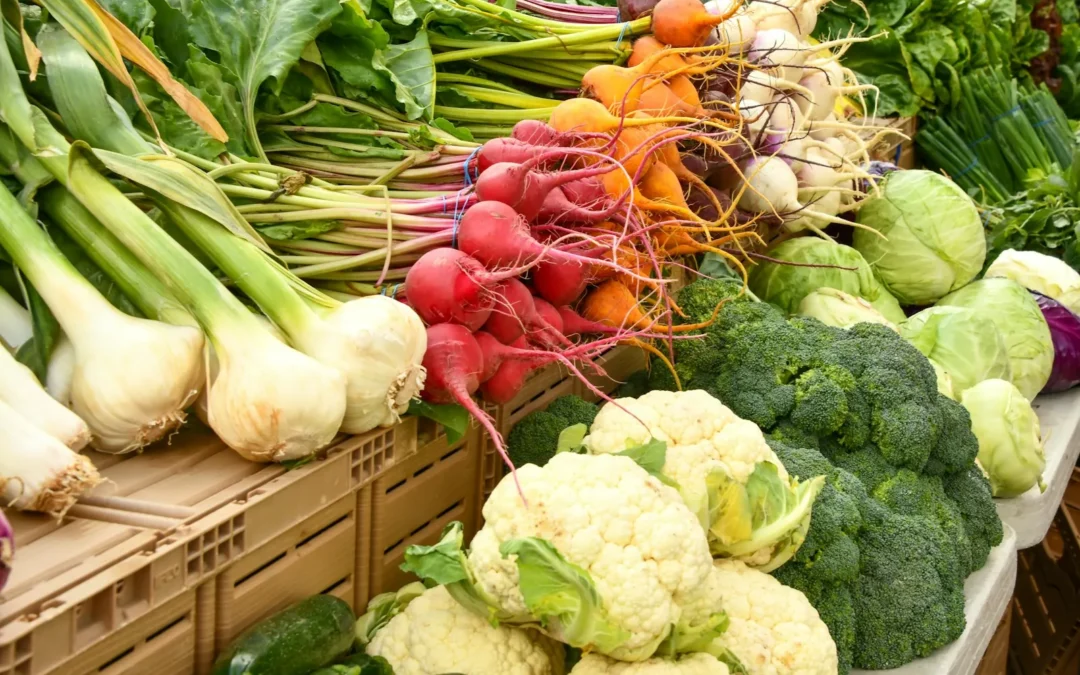
A nutrient-dense food carries a high load of the things your body needs — protein, fiber, vitamins, minerals, beneficial plant compounds — relative to its calories. Vegetables, fruit, legumes, fish, eggs, plain dairy, nuts, and whole grains all qualify. Energy-dense-but-nutrient-poor foods (refined snacks, sweets, sugary drinks) deliver calories with little else.
Why it matters more than cutting things out
Most people try to improve their diet by subtraction — no sugar, no carbs, no snacks. Subtraction runs on willpower, and willpower runs out. Prioritizing nutrient density works by addition: when meals are built from foods that fill you up and feed you, the less-helpful stuff gets crowded out without a fight.
Quick heuristics at the store
- Shop the perimeter first — produce, meat, fish, dairy, eggs — then make targeted trips down the aisles for oats, beans, canned fish, frozen vegetables.
- Read the fiber and protein lines on labels before the calorie line. Per 100 calories, more of both is almost always the better choice.
- Short ingredient lists win. Not always, but often enough to be a useful default.
One caution
Nutrient density is a compass, not a religion. Low-density foods aren’t “bad” — they’re just not doing the nutritional work, so let them play the role they’re good at: enjoyment, occasions, dessert. An eating pattern you enjoy is the only one you’ll keep.
Putting it into practice
A simple way to apply nutrient density is to look at what each meal is built around. If the base is a vegetable, a legume, a whole grain, or a lean protein, you’re already eating densely, and whatever you add on top matters less. If the base is refined bread, chips, or sweets, try adding something dense alongside it instead of taking anything away: a side of fruit, a handful of nuts, or a salad before the main course. Over time, those additions take up more room on the plate on their own.
This article is general nutrition information, not medical advice.